1. Research Center
  2. /
  3. Car Maintenance Research Articles
  4. /
  5. Spring Truck Maintenance Checklist

Spring Truck Maintenance Checklist

 By Anthony Toronto | April 13th, 2026 | 7 min read
What winter left behind, and how to fix it before towing season starts.

Winter is hard on trucks. Salt soaks into frame crevices, potholes beat up suspension, cold starts drain batteries, and months of hard use leave fluids degraded and filters clogged. Most of that wear is invisible until it is not. 

Spring is the right window to fix it. You are coming off the toughest season your truck sees and heading into the one where most owners actually use them: towing, hauling, road trips, job sites. Catching a worn ball joint or a corroded trailer plug now costs far less than dealing with it on the side of a highway in July. 

This checklist is built for pickup owners specifically. Whether you drive a daily half-ton, a dedicated tow rig, or a work truck that gets beat on every week, here is what to check when winter breaks.

Master Truck Maintenance Checklist
Tires, Brakes, and Suspension 
These systems take the hardest hits from winter roads and cold temperatures. Check tire pressure cold before driving and inspect tread for uneven wear patterns like cupping or feathering, which can signal alignment issues that potholes made worse. For brakes, look at pad thickness, rotor condition, and rubber hose integrity at the caliper flex points. On suspension, rock each front wheel to check for play in tie rod ends and ball joints, and bounce each corner to assess shocks and struts.

Checklist: Tires, Brakes, and Suspension

  • Check all four tire pressures cold 
  • Inspect tread depth and wear pattern on each tire 
  • Schedule a wheel alignment if the truck pulls or had significant pothole exposure 
  • Inspect brake pads and rotors at each corner 
  • Check rubber brake hoses for cracks or swelling at flex points 
  • Inspect brake lines at fittings along the frame for corrosion 
  • Check sway bar links and control arm bushings for cracking 
  • Rock-test tie rod ends and ball joints for play 
  • Bounce test all four corners for shock and strut health
Engine, Fluids, and Filters 
If you are within a few thousand miles of your next oil change, do it now before tow or work season kicks in. Cold starts accelerate wear, and towing puts serious heat into transmission and differential fluids. Check your owner's manual for severe-service intervals if your truck tows, hauls, or idles frequently. Those intervals are shorter than the standard recommendation and apply to most work and tow trucks. 

Checklist: Engine, Fluids, and Filters

  • Check engine oil level and condition; change if near interval 
  • Test coolant freeze protection; inspect all coolant hoses for soft spots 
  • Check transmission fluid level and color 
  • Check front and rear differential fluid on 4WD trucks 
  • Inspect brake fluid level and color; flush if dark or murky 
  • Replace engine air filter if visibly dirty 
  • Inspect serpentine belt for cracking or fraying 
  • Top off windshield washer fluid with a spring formula 
Electrical, Battery, and Lights
Cold weather is the biggest battery killer, and a battery that barely made it through winter may not hold up on a hot summer day. Most auto parts stores will load-test it for free. While you are at it, clean any corrosion off the terminals and walk the entire truck to confirm every exterior light is working, including your trailer connector if you tow.

Checklist: Electrical, Battery, and Lights

  • Load-test battery; replace if below 75% capacity 
  • Clean terminal corrosion and confirm connections are tight 
  • Check all exterior lights: headlights, tails, brake, turn, reverse 
  • Test trailer connector on all circuits with a tester 
  • Inspect connector pins for corrosion or damage 
Visibility and HVAC
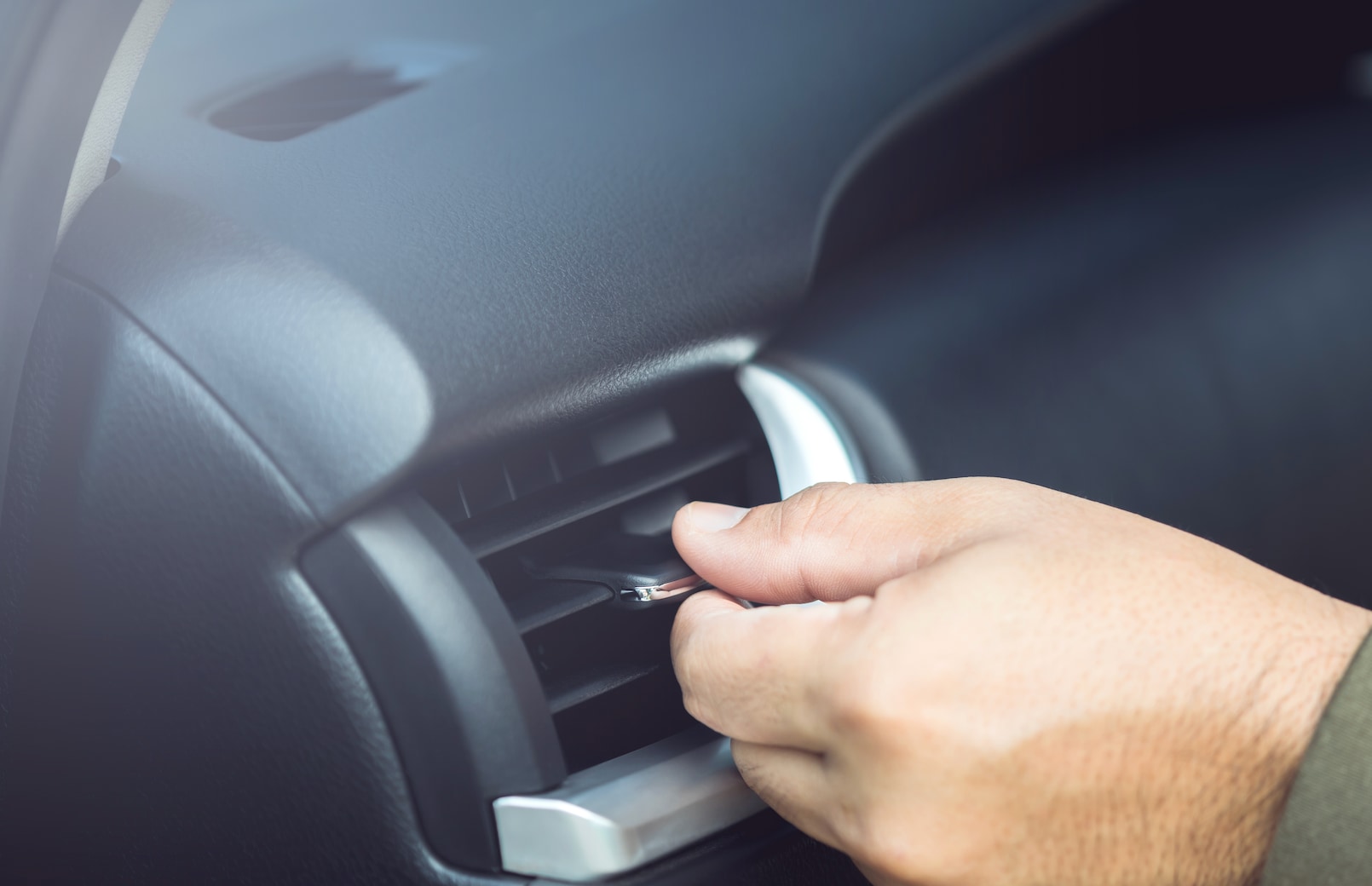
If your wipers were streaking or chattering by February, they are done. Replace them before spring rain arrives. Replacing wiper blades takes five minutes and costs about twenty dollars. Swap the cabin air filter at the same time and test your AC before you actually need it.

Checklist: Visibility and HVAC

  • Replace worn or streaking wiper blades 
  • Inspect windshield for chips or cracks that winter temperature cycling may have spread 
  • Replace cabin air filter 
  • Test air conditioning before summer
 The Truck-Specific Checks Owners Forget
This is where a pickup checklist separates from a generic car article. Trucks deal with underbody salt exposure, hitch hardware, trailer wiring, and off-road or work conditions that most cars never see. These are the areas where winter wear tends to be most consequential.

Underbody, Frame, and Rust Prevention

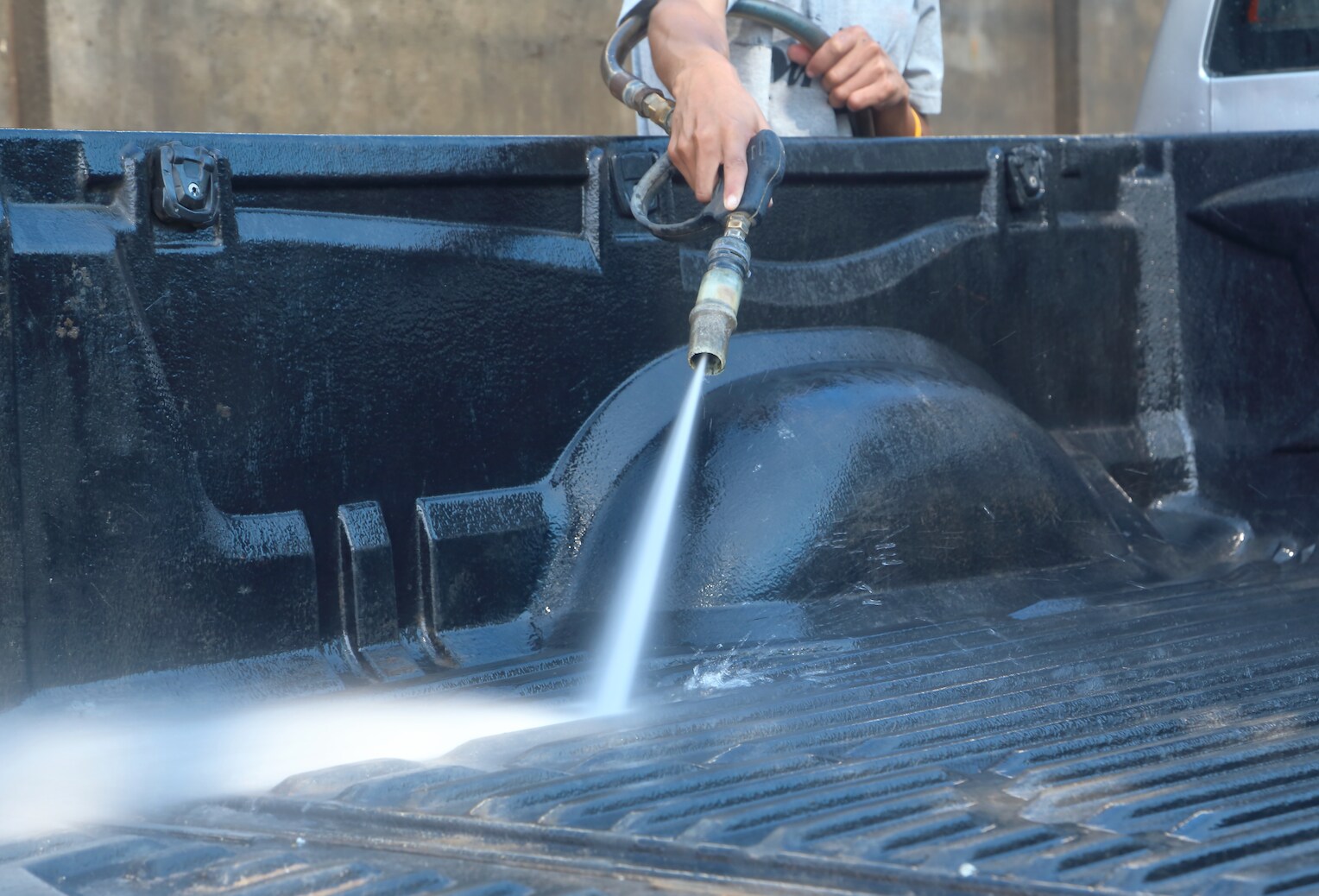
Road salt is the most corrosive thing most trucks encounter in their service life. Before doing any inspection, pressure wash the entire underside to flush salt out of frame rails, crossmembers, axle housings, and fuel tank strap areas. Surface rust on a truck frame is normal. What to look for is scale rust where metal is flaking in layers, rust forming around welds or structural mounting points, or visibly thinned metal. If you see it at those locations, have a technician evaluate it before putting the truck under load.

Underbody, Frame, and Rust Prevention

  • Pressure wash entire underbody, frame rails, and wheel wells 
  • Inspect frame for scale rust at welds and mounting points 
  • Check fuel and brake lines for corrosion at clips and fittings 
  • Inspect body mount hardware and crossmembers 
  • Apply rust inhibitor or underbody coating to exposed metal areas 
  • Wash exterior to remove salt residue; treat any paint chips
Bed, Hitch, Trailer Wiring, and 4WD 
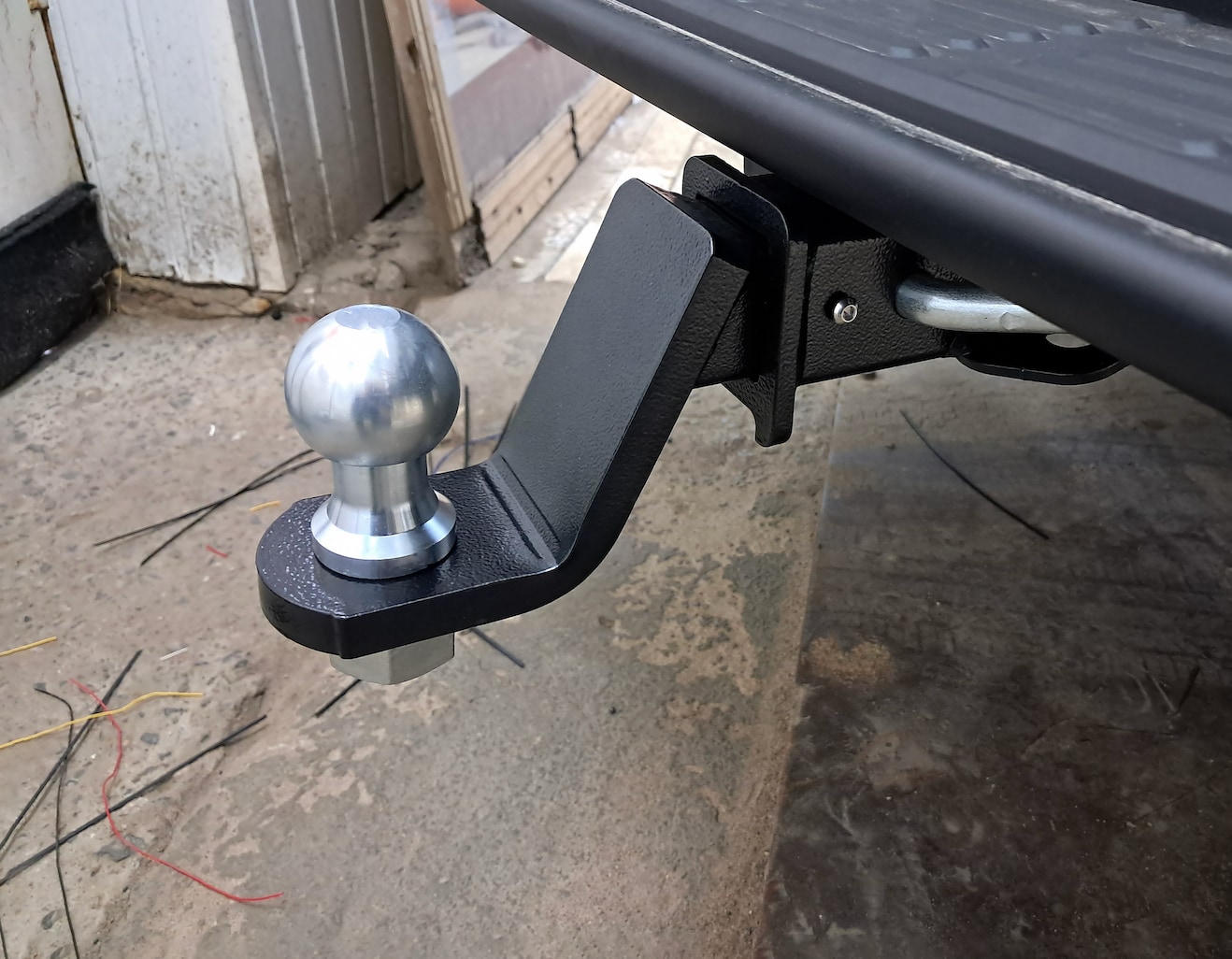
These are the items most owners skip until towing day. Inspect the bed liner, pull-test tie-down anchors, and check the receiver tube for rust or cracked welds. Grease the ball mount to prevent it from seizing after sitting all winter. Plug your trailer connector into a tester and run through every circuit. If you have a trailer brake controller, connect to a trailer and verify it shows an active signal. On 4WD trucks, engage all modes to confirm smooth operation and check transfer case fluid if it is near its service interval.

Bed, Hitch, Trailer, and 4WD

  • Inspect bed liner for cracks and check for moisture underneath 
  • Pull-test all bed tie-down anchors 
  • Inspect receiver tube for rust and cracked welds; check pin holes for wear 
  • Clean receiver tube and grease ball mount 
  • Check hitch ball for pitting or corrosion 
  • Test all trailer wiring circuits: running, turn, brake, reverse 
  • Test trailer brake controller with a connected trailer 
  • Verify 4WD engages and disengages smoothly in all modes 
  • Check transfer case fluid if near service interval 
  • Grease all zerks: ball joints, tie rod ends, U-joints, driveshaft 
DIY vs. Schedule a Service Visit
Most visual checks and fluid top-offs are straightforward driveway tasks. The items on the right are better handled by a technician, especially when safety, towing hardware, or structural rust is involved.
DIY-Friendly
  • Check tire pressure and tread 
  • Wash and degrease underbody 
  • Top off or replace washer fluid 
  • Replace wiper blades 
  • Inspect lights and test trailer connector 
  • Inspect hitch ball and receiver 
  • Replace cabin air filter
Schedule a Service Visit
  • Brake pulsation, pull, or grinding 
  • Suspension clunks or steering vagueness 
  • Battery that fails a load test 
  • Scale rust on frame or structural welds 
  • 4WD that hesitates or will not engage 
  • Trailer brake controller faults or errors 
  • Fluid leaks that were not present before winter
Before the Season Gets Busy 
Your truck went through a season of salt, cold, potholes, and hard starts. Spring is the natural moment to account for all of it before asking the truck to haul, tow, or cover serious distance. 

Run the checklist yourself, flag anything that needs a closer look, and get a professional inspection for items beyond a driveway check. A spring service visit at your local Lithia dealership covers most of this in a single appointment and gives you a documented service record that protects resale value. Then go use the truck the way it was built.